
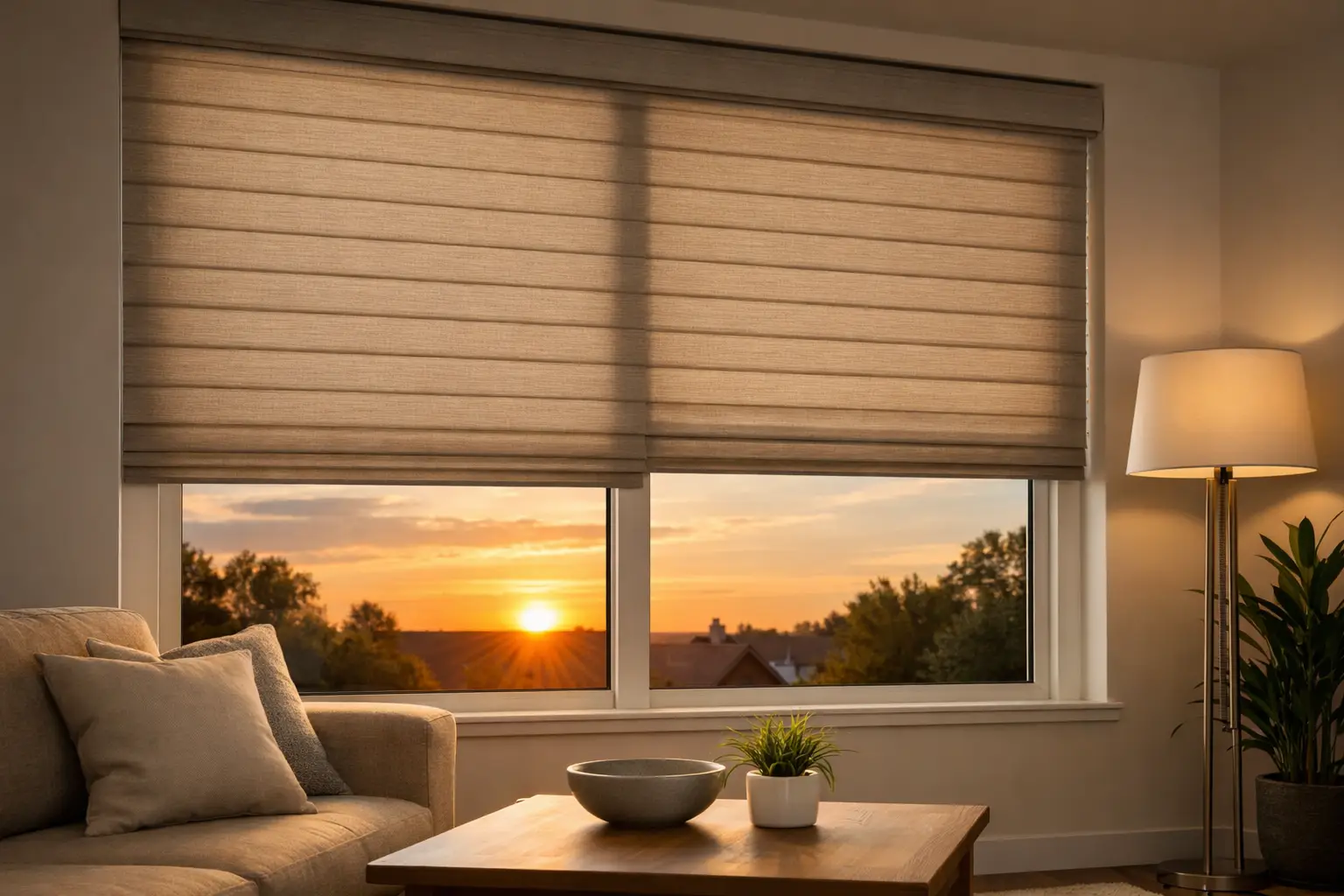
By 4 p.m., a west-facing room can go from beautifully bright to uncomfortably harsh. That late-day sun is warmer, stronger, and more direct, which is why homeowners often start searching for the best shades for west facing windows after one too many overheated afternoons.
The right solution does more than block light. It helps protect flooring and furnishings from fading, softens glare on screens, improves privacy in the evening, and gives the room a more finished look. The challenge is that west-facing windows usually need a careful balance of performance and style. A treatment that looks airy at noon may feel inadequate by sunset, while one that controls heat well can look too heavy if it is not selected thoughtfully.
What makes west-facing windows harder to dress
West-facing exposure tends to bring intense afternoon and early evening sun, which is often the least forgiving light in the house. It can create hot spots across seating areas, make TVs difficult to watch, and leave rooms feeling bright long after you would prefer a softer atmosphere.
That sun angle also matters. Because the light enters lower and more directly later in the day, many lightweight treatments struggle to manage it well on their own. If you are choosing shades for a living room, primary bedroom, breakfast nook, or home office, performance has to be part of the design conversation from the start.
Best shades for west facing windows by priority
There is no single perfect shade for every west-facing room. The best choice depends on whether your top concern is heat control, glare reduction, privacy, aesthetics, or convenience.
Solar shades for glare and daytime views
Solar shades are one of the strongest options for west-facing windows when glare is your main issue. They filter sunlight rather than fully blocking it, which helps reduce eye strain and screen glare while still preserving an outside view.
This makes them especially useful in family rooms, offices, and kitchens where you want natural light without the intensity. Openness factor matters here. A tighter weave gives you better glare and UV control, while a more open weave keeps the room brighter and more connected to the outdoors. The trade-off is simple: more visibility usually means less sun protection.
Design-wise, solar shades have a clean, modern look that works well in contemporary and transitional spaces. They are also a smart fit for motorization, which is helpful when the sun moves quickly and the room changes by the hour.
Roller shades for a tailored, versatile look
Roller shades are often the most flexible answer if you want something streamlined and custom without making the room feel overdone. Available in light-filtering and blackout fabrics, they can be tailored to how the room functions.
For west-facing bedrooms, blackout roller shades are a strong choice if you want to limit evening light and gain more privacy. In living spaces, light-filtering fabrics can soften the sun while still keeping the room bright and inviting. Fabric selection matters more than many homeowners expect. Texture, color, and opacity all affect how the finished treatment performs and how substantial it feels in the room.
Roller shades also layer beautifully with drapery, which is often the smartest approach for west-facing exposure. The shade handles light control during the day, and the drapery adds softness, insulation, and a more polished finish.
Roman shades for softness with structure
If your priority is style but you still need meaningful light control, Roman shades are worth serious consideration. They bring more fabric presence than a roller shade, which can make a room feel warmer and more designed.
Roman shades work particularly well in dining rooms, bedrooms, and formal living spaces where visual texture matters. Depending on the fabric and lining, they can offer anything from gentle light filtering to substantial room darkening. That range is useful for west-facing rooms that need a refined look without sacrificing function.
The main consideration is scale and sunlight intensity. In rooms with very strong late-afternoon exposure, a decorative Roman shade in a thin fabric may not be enough on its own. A lined shade or a layered treatment usually performs better.
Cellular shades for insulation and comfort
Cellular shades are often overlooked in design conversations, but they can be an excellent choice for west-facing windows where heat gain is a daily problem. Their honeycomb construction helps trap air, which can support better indoor comfort and improved energy efficiency.
This makes them especially practical in upstairs bedrooms, sunrooms, and spaces that run hot in the afternoon. They are available in a range of opacities, from light-filtering to blackout, so you can fine-tune the level of privacy and light control.
The trade-off is aesthetic. Cellular shades tend to feel more functional than decorative, though today’s better-quality options are far more refined than older versions. In the right room, especially one where comfort comes first, they can be the best-performing option.
When layered window treatments make the most sense
For many homeowners, the best shades for west facing windows are not a single product at all. Layering often delivers the best result because it lets you solve multiple problems at once.
A shade paired with drapery gives you more flexibility throughout the day. During bright afternoon hours, the shade can reduce glare and UV exposure. In the evening, drapery panels can add softness, frame the windows beautifully, and help the room feel more complete. This is often the best design solution for larger windows, open-concept rooms, and spaces where furnishings need extra protection from sun damage.
Layering also helps a room feel intentional rather than purely utilitarian. That matters in highly visible spaces like front living rooms and primary suites, where window treatments contribute just as much to the finished design as the furniture does.
Fabric, color, and opacity matter more than people think
Homeowners often focus on the shade style first, but material choices are what determine how the treatment performs. For west-facing windows, darker fabrics can sometimes improve outward visibility in solar shades, while lighter backing or reflective properties may better support heat control. With roller and Roman shades, opacity changes everything from mood to privacy.
Color matters too, but not always in the way people assume. A very light shade may look fresh and airy, yet still allow too much glow in a room with strong western exposure. A richer neutral or a tightly woven fabric may create a calmer, more comfortable result without making the space feel dark.
This is where custom guidance becomes valuable. Two shades can look nearly identical in a sample book and perform very differently in the actual room, depending on window size, ceiling height, wall color, and the way the afternoon sun hits the space.
Motorized shades are especially useful on west-facing windows
West-facing light changes fast. What feels pleasant at 2 p.m. can become blinding by 5 p.m. Motorized shades make that shift easier to manage, especially in rooms with large expanses of glass or windows that are hard to reach.
Automation adds convenience, but it also improves consistency. Shades can be scheduled to lower before the hottest part of the day, which helps with comfort and protects interiors without requiring you to think about it. For busy households, that kind of control is not just a luxury. It makes the treatment work better every day.
Motorization also supports a cleaner appearance since it eliminates cords and keeps the overall look more elevated. In design-forward homes, that detail can make a noticeable difference.
How to choose the right option for your room
A west-facing bedroom usually benefits from more opacity and privacy, so blackout roller shades or lined Roman shades are often strong choices. A living room may need a more balanced approach, such as solar shades for daytime control paired with drapery for softness and evening comfort. In a home office, glare reduction is often the priority, which makes solar shades especially practical.
Window size matters too. Wider windows may call for solutions that operate smoothly and maintain a clean sightline, while tall windows often benefit from motorization. If the room already has strong architectural details or layered textures, a simpler shade may be the right visual choice. If the room feels flat, a more substantial fabric treatment can add depth.
The best result usually comes from treating window coverings as part of the room design, not as an afterthought. That is especially true in sunny climates like Atlanta, where western exposure can have a noticeable effect on comfort for much of the year.
Choosing shades for a west-facing room is not only about blocking sun. It is about shaping how the room looks, feels, and functions in real life. When the treatment is selected well, the space stays cooler, calmer, and far more enjoyable at the exact time of day it used to be hardest to use.