
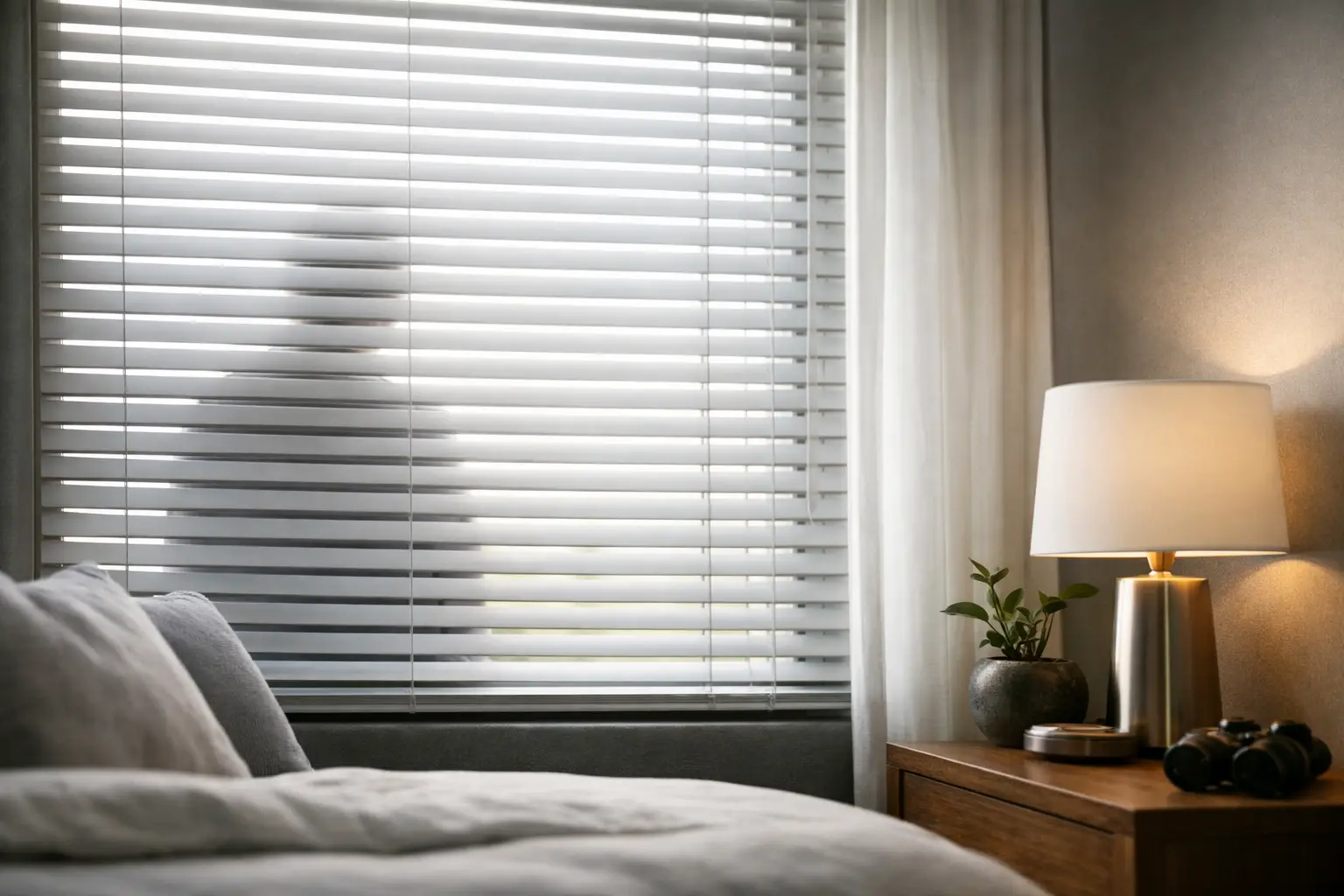
Street-facing windows can make a beautiful room feel unexpectedly exposed. If you have ever loved the light in a space but hated how visible it feels after sunset, choosing the best blinds for privacy becomes less about decoration and more about daily comfort.
The good news is that privacy does not have to come at the expense of style. The right blinds can soften a room, improve light control, and make your home feel more finished. The key is choosing a solution that fits how you actually live, because privacy looks different in a front sitting room than it does in a primary bedroom or bathroom.
What makes the best blinds for privacy?
Privacy is not a one-size-fits-all feature. Some homeowners want to block direct sightlines from neighbors while still keeping the room bright. Others want near-total coverage in spaces where getting dressed, sleeping, or bathing calls for a higher level of seclusion.
That is why the best blinds for privacy usually balance three things: coverage, light control, and fit. A blind can look beautiful on display and still leave small gaps at the edges, filter more light than you expected, or feel too sparse at night when interior lights are on. Custom sizing and thoughtful material choices often make the biggest difference.
It also helps to think about privacy during both daytime and nighttime. During the day, natural light outside can make window coverings appear more effective than they are. At night, when the lights are on inside your home, silhouettes and gaps become much more noticeable. If privacy is a top priority, that evening view matters most.
The best blinds for privacy by style
Several blind styles can work well for privacy, but each offers a different look and level of control.
Roller shades for clean, full coverage
If you want a tailored, minimal look, roller shades are one of the strongest choices. When made in a privacy or blackout fabric, they provide broad, consistent coverage across the glass and suit both modern and classic interiors.
Their appeal is simple. They sit neatly, operate smoothly, and can disappear visually when you want the architecture or furnishings to take focus. In bedrooms, media rooms, and many bathrooms, roller shades are often the most effective option for homeowners who want privacy without visual clutter.
The trade-off is flexibility. A standard roller shade is either up or down, so you do not get the same slat-by-slat adjustment that some blinds offer. If your goal is to let in light while limiting views, fabric selection becomes especially important.
Wood and faux wood blinds for adjustable privacy
Traditional horizontal blinds remain popular for a reason. They let you tilt the slats to control sightlines, daylight, and glare throughout the day. In family rooms, home offices, and front-facing living spaces, that adjustability can be very useful.
Wood blinds bring warmth and architectural character, while faux wood offers a similar look with added durability in humid rooms. For bathrooms or kitchens, faux wood is often the more practical choice because it handles moisture better.
That said, slatted blinds are rarely the most private option in absolute terms. Even when closed, they can allow thin lines of light and small view-through angles. If you are especially sensitive to exposure, pairing blinds with drapery or choosing a more solid shade style can provide greater peace of mind.
Cellular shades for privacy and softness
Cellular shades are a favorite for homeowners who want a softer look without losing function. Their structured fabric design gives a room a clean finish while offering excellent privacy, especially in light-filtering or blackout options.
They also help with insulation, which is a smart bonus in rooms that get strong sun or feel drafty. Bedrooms are a natural fit, but cellular shades can also work beautifully in nurseries, guest rooms, and upstairs spaces where you want comfort as much as coverage.
One of their strongest features is versatility. Depending on the fabric and operating style, cellular shades can feel light and airy or more cocooning and room-darkening. For many homes, they strike an ideal middle ground between softness and performance.
Roman shades for privacy with a design-forward finish
Roman shades are often chosen for their style first, but they can be excellent for privacy too. When made with the right lining, they create a polished, substantial layer at the window that feels custom and elevated.
This is a strong option for homeowners who want their window treatments to contribute more visibly to the room design. In dining rooms, bedrooms, and formal sitting areas, Roman shades can add fabric, texture, and refinement while still delivering the privacy you need.
The main consideration is material and construction. A loosely woven fabric may glow beautifully in daylight but reveal more than you expect at night. Privacy linings matter here, and so does professional guidance on how the fabric will behave in the actual room.
Sheer shades when privacy is moderate, not total
Sheer shades can be appealing if you want filtered light and a softer view outward, but they are not usually the best answer for rooms that require strong privacy. They are better for spaces where the goal is gentle screening rather than full concealment.
In a breakfast nook or secondary living area, they may be enough. In a primary bedroom or street-level bathroom, probably not on their own. This is where being honest about your needs saves you from choosing based on looks alone.
Best rooms for each privacy solution
Some of the best window treatment decisions come from matching the product to the room rather than trying to use the same style everywhere.
Bedrooms usually benefit from higher privacy and better light blocking, especially if the windows face neighboring homes or early morning sun. Roller shades, blackout cellular shades, and lined Roman shades are often the strongest choices here.
Bathrooms need privacy at all hours, but they also need materials that hold up well. Faux wood blinds and moisture-friendly roller shades tend to work well, depending on the design direction of the space.
Living rooms are more nuanced. You may want privacy in the evening without making the room feel closed off all day. Wood or faux wood blinds can work if tilt control is enough, while Roman shades or light-filtering cellular shades can offer a more finished, layered look.
Front rooms and street-facing spaces often need the most careful planning. These windows affect curb appeal, interior style, and your sense of comfort every day. In those rooms, a custom solution often looks better from both inside and outside the home.
Why custom blinds often work better for privacy
Privacy problems are often caused by the details homeowners do not see until after installation. Gaps at the sides, wrong mount choices, unsuitable opacity, and poor scale can all make a blind less effective.
Custom window treatments address those issues early. They are measured for your exact windows, selected for your light conditions, and tailored to the way the room is used. That usually leads to a cleaner appearance and better everyday performance.
This is also where design matters. The best blinds for privacy should not feel like a compromise. They should support the room visually, coordinate with your finishes, and make the space feel more intentional. A consultative approach helps narrow the options based on both function and style, which is especially helpful if you are choosing for several rooms at once.
Motorization can also be worth considering. In tall windows, hard-to-reach areas, or busy households, automated blinds make it easier to maintain privacy consistently. Instead of leaving a shade open because it is inconvenient to adjust, you can control light and coverage with much less effort.
How to choose the right option for your home
Start with the room, then think about your privacy threshold. Ask yourself whether you want soft screening, adjustable coverage, or full visual blockage. Then consider how much natural light you want to preserve and whether the window treatment should blend in quietly or make more of a design statement.
If your home has multiple privacy concerns, consistency matters too. You can mix product types from room to room while still keeping a cohesive look. A bedroom may call for blackout roller shades, while the nearby living room looks better with wood blinds or Roman shades. What ties the home together is not using the exact same product everywhere, but choosing treatments with a shared design point of view.
For homeowners who want a polished result without guesswork, working with a design-led professional can make the process much easier. Companies like Lionheart Design Atlanta help homeowners compare materials, opacity levels, finishes, and operating systems in the context of their actual rooms, which tends to lead to better decisions than browsing samples in isolation.
The right privacy blind should make your home feel calmer the moment it is installed. When your windows are working for your routine, your comfort, and your style, the whole room feels more settled.